

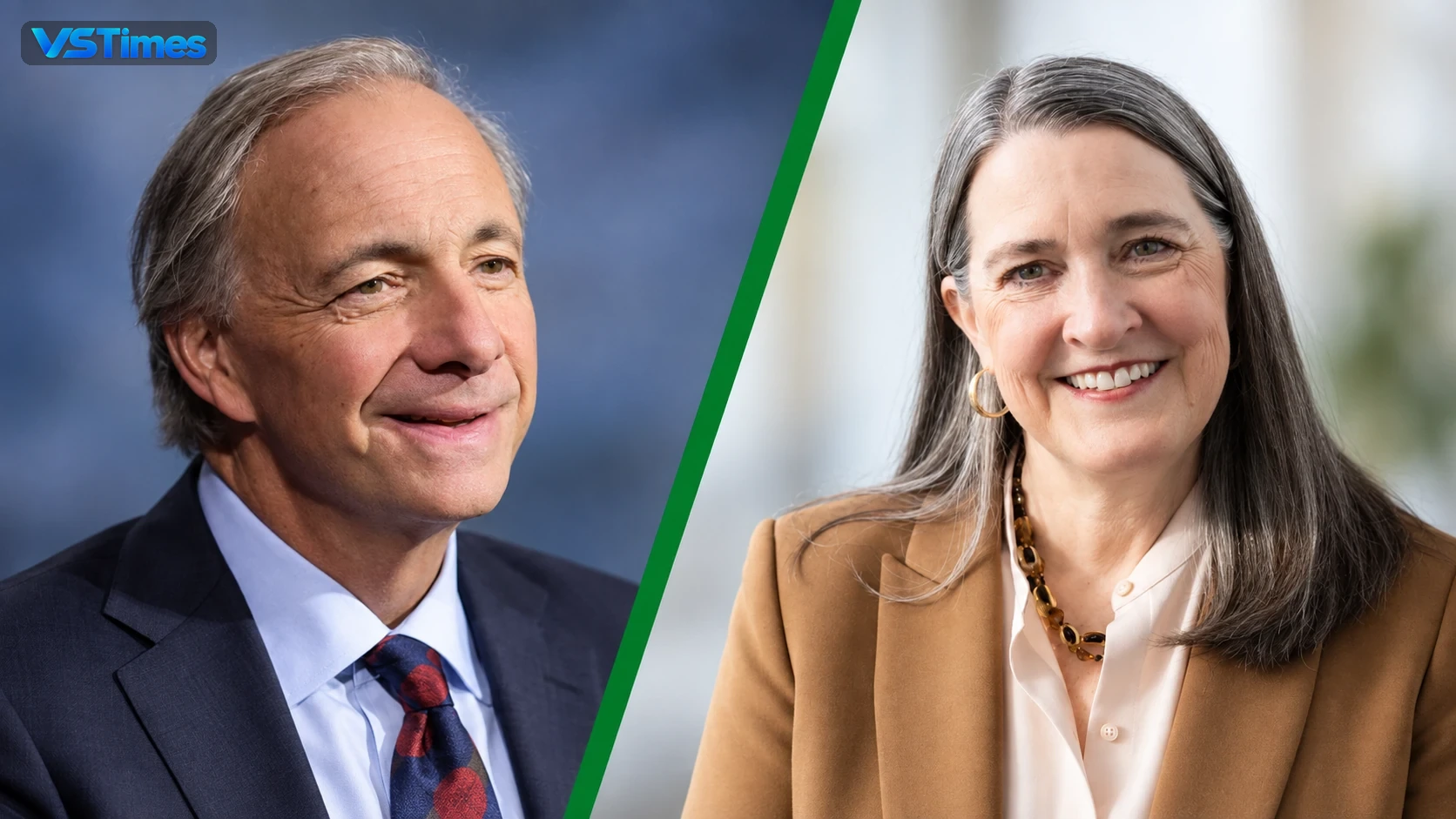
No documented direct relationship between Ray Dalio and Patricia “Patti” Poppe was verified through September 20, 2026. They are not publicly established as business partners, colleagues, relatives, or collaborators. The strongest current connection between their names is indirect: Bridgewater Associates, the investment firm Dalio founded, reported a substantial holding in PG&E Corporation, where Poppe serves as CEO.
That distinction is important because the PG&E position was disclosed by Bridgewater Associates, LP, not by Dalio personally. Bridgewater’s Q2 2026 Form 13F reported 5,931,314 PG&E Corporation shares as of June 30, 2026, with a quarter-end market value of $99,764,701.
Dalio remains closely associated with Bridgewater because he founded the firm and shaped its investment philosophy, but he no longer runs or owns it in the way he once did. Poppe’s career developed separately through manufacturing and the utility industry, culminating in her current role leading PG&E Corporation.
Key takeaways
- No reliable public record establishes a direct personal or professional relationship between Ray Dalio and Patti Poppe.
- Bridgewater Associates reported 5,931,314 PG&E Corporation shares as of June 30, 2026.
- The filing belongs to Bridgewater, not Dalio personally, and does not disclose who selected the investment or why.
- Dalio’s formal ownership and board involvement with Bridgewater ended in 2025 reporting, though Bridgewater still describes him as a mentor.
- Poppe is CEO of PG&E Corporation; Sumeet Singh currently leads the utility subsidiary, Pacific Gas and Electric Company.
The documented connection between the two names
The public record does not show Dalio and Poppe working together directly. Instead, the clearest link runs through two organizations: Bridgewater Associates and PG&E Corporation.
Bridgewater’s March 31, 2026 filing reported 24,531 PG&E shares. By June 30, that figure had risen to 5,931,314 shares. The change amounts to 5,906,783 additional shares in the disclosed quarter-end position, an increase of about 24,079%.
That is a major change in Bridgewater’s reported exposure to PG&E, but it should not be turned into a story about Dalio personally choosing to invest in Poppe’s company. Form 13F identifies the institutional investment manager that reports the holdings; it does not automatically attribute individual trades to a firm’s founder.
The same caution applies to the reported $99.8 million value. Under the SEC’s Form 13F guidance, managers report the fair market value of covered securities at the end of the quarter. That figure is therefore not evidence that Bridgewater spent exactly $99.8 million buying PG&E shares.
The filing also does not reveal the firm’s investment thesis, the exact dates or prices of transactions, or the individual who made the decision. There is no documented basis for saying the position was increased because of Poppe personally.
Ray Dalio’s path from founder to mentor
Raymond T. Dalio founded Bridgewater Associates in New York City in 1975. Bridgewater’s own account says he became interested in investing as a child while working as a caddie and later studied finance at C.W. Post College before earning an MBA from Harvard Business School in 1973.
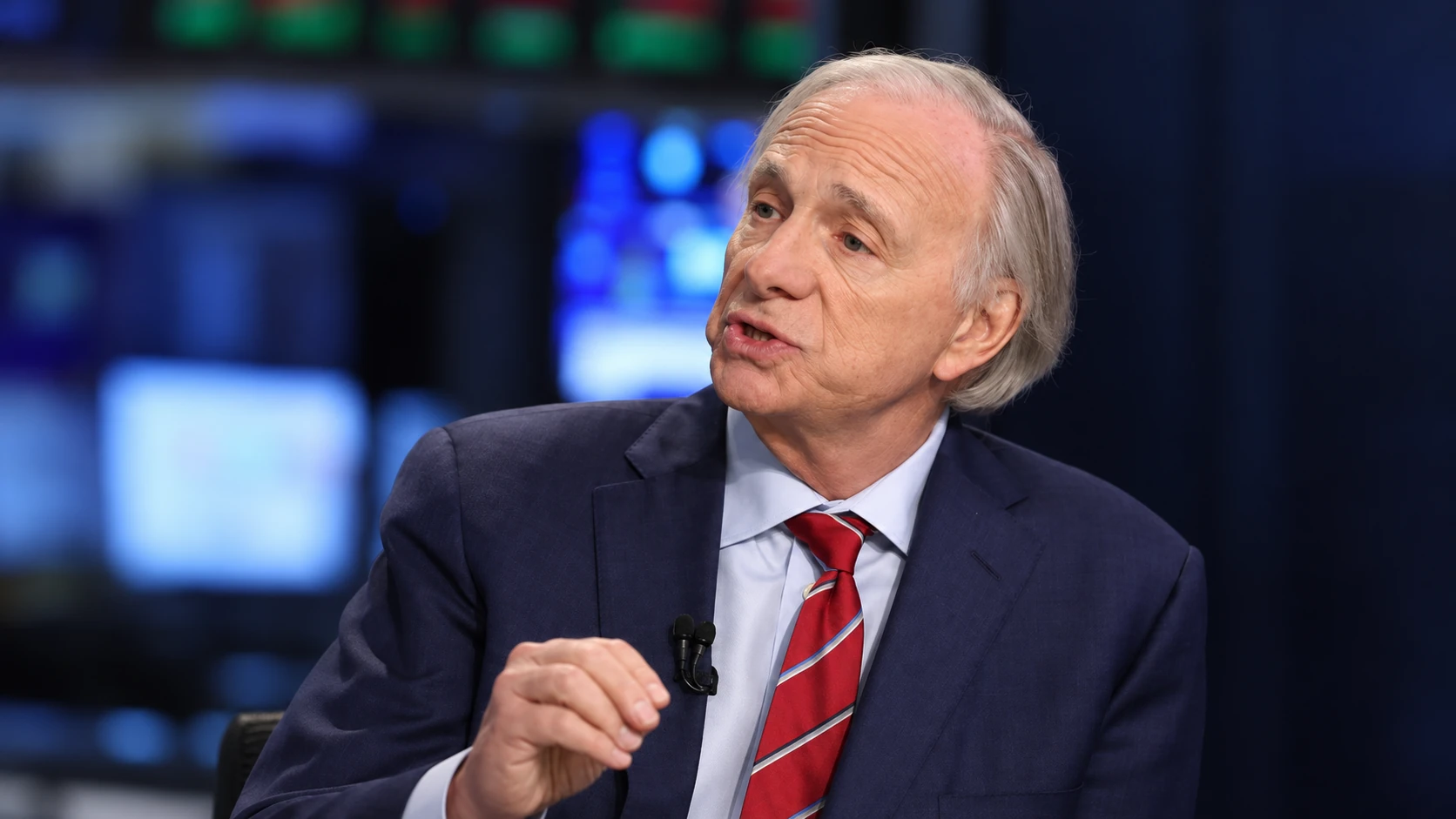
Over the following decades, Bridgewater became associated with global macro investing: examining broad forces such as economic growth, inflation, monetary policy, currencies, and interest rates rather than focusing only on individual companies.
Dalio’s influence extended beyond portfolio management. He became known for turning investment ideas into explicit rules and systems, and for a management philosophy built around what he called radical truthfulness and transparency. Those ideas later reached a wider audience through Principles: Life and Work, published in 2017.
His later writing has continued to focus on large economic systems. How Countries Go Broke, published in 2025, examines sovereign debt, monetary pressures, and long-term financial cycles.
Yet the Bridgewater associated with Dalio historically is not identical to the Bridgewater filing securities reports in 2026.
Dalio stepped down as CEO in 2017, as chief investment officer in 2020, and as chairman at the end of 2021. Nir Bar Dea has served as Bridgewater’s CEO since 2022 and oversees the firm’s day-to-day management.
The separation became clearer in 2025. Reuters reported that Bridgewater repurchased the final ownership shares held by Dalio-related entities, while Bloomberg reported that Dalio also left the board. Reuters’ report on Dalio’s Bridgewater exit makes it especially important not to present later Bridgewater positions as his personal portfolio.
Bridgewater still describes Dalio as its founder and a mentor. That leaves room for an informal continuing relationship with the institution, but it does not establish authority over specific 2026 investment decisions.
Patti Poppe’s route from manufacturing to utilities
Patricia K. “Patti” Poppe followed a different professional path.
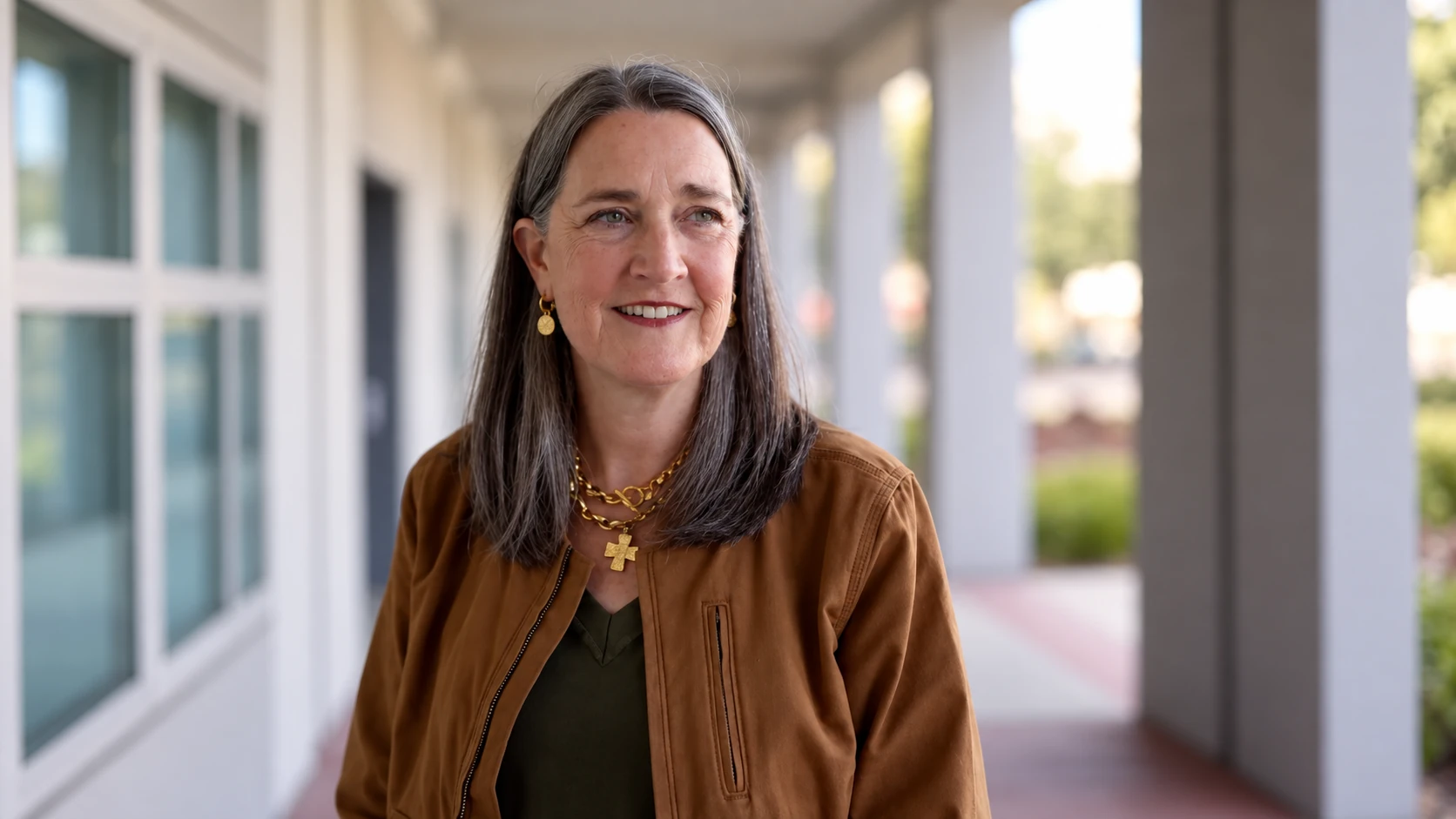
Her career began in engineering and production-related work at General Motors. In a 2024 conversation at the University of California, Berkeley’s Haas School of Business, Poppe said she originally imagined a career centered on plant management rather than becoming a corporate chief executive.
Her trajectory broadened as she moved into larger operating roles. She joined DTE Energy in 2005 and later moved to CMS Energy and Consumers Energy, where she eventually became chief executive.
Her manufacturing background remained important to the way she described management. Poppe has discussed lean operating methods, making problems visible, and involving frontline employees in improvements rather than treating operational issues only as top-down management questions.
PG&E announced her appointment in November 2020, with her tenure as CEO of PG&E Corporation beginning on January 4, 2021.
She arrived after one of the most difficult periods in the company’s history. PG&E had emerged from bankruptcy in July 2020 after years of wildfire liabilities, regulatory scrutiny, and public criticism over safety.
In a 2024 Fortune interview, Poppe said the job appealed to her because of the company’s operational, safety, and cultural challenges rather than simply its finances. She said she was interested in “an operational and safety turnaround and cultural turnaround.”
Her management language has also included the phrase “leading with love.” In the Fortune interview with Patti Poppe, she tied that idea to speaking up about safety, recognizing employees’ contributions, and giving people room to use their skills.
Those comments are useful evidence of how Poppe describes her own leadership philosophy. They should not be treated as independent proof of PG&E’s safety or financial performance.
Poppe’s role at PG&E in 2026
As of September 20, 2026, Poppe remains CEO of PG&E Corporation.
The distinction between the parent company and its utility subsidiary matters. PG&E Corporation is the holding company, while Pacific Gas and Electric Company is the regulated utility subsidiary.
Poppe serves as a director of both companies, but she is not currently the utility subsidiary’s chief executive. Sumeet Singh holds that role.
That corporate detail is easy to lose in shorthand references that simply call Poppe “PG&E’s CEO.” It is accurate in a broad conversational sense, but a precise current profile should identify her as CEO of PG&E Corporation.
Her tenure also remains tied to significant strategic decisions. On September 2, 2026, PG&E announced a strategic review and said it planned to defer about $2 billion of planned 2027 investment while preserving spending it described as necessary for safety and compliance.
That announcement came after Bridgewater’s June 30 holdings snapshot. Without additional evidence, it would therefore be misleading to suggest the September strategic review caused Bridgewater’s earlier increase in PG&E shares.
Two careers that developed independently
Dalio and Poppe became prominent through very different institutions and professional problems.
Dalio spent decades in investment management, building systems for understanding markets, economic cycles, and portfolio risk. His public profile expanded through books and commentary about decision-making, debt, national power, and financial systems.
Poppe’s career developed through industrial operations and utilities. Her public role has centered on running large infrastructure businesses, managing safety and reliability challenges, and leading PG&E Corporation through a period of operational and regulatory pressure.
Those career histories can be compared, but comparison should not be mistaken for collaboration.
There is no verified evidence that Poppe worked at Bridgewater, that Dalio held a role at PG&E, or that the two jointly operated a company, investment vehicle, charity, or public initiative.
Their organizations now have a genuine financial connection because Bridgewater reported an equity position in PG&E Corporation. That institutional fact does not establish a personal relationship between the people.
Why the Bridgewater attribution matters
The confusion is understandable because founders often remain attached in the public mind to companies long after formal control changes.
Dalio is especially closely identified with Bridgewater because he built the firm, shaped its investing framework, and spent decades as its most visible figure. That makes “Ray Dalio’s portfolio” an appealing shorthand for databases and financial summaries built from Bridgewater’s regulatory filings.
But shorthand can change the substance of the claim.
“Bridgewater reported 5.93 million PG&E shares” is supported by the filing.
“Ray Dalio bought 5.93 million PG&E shares” is not.
The first statement describes an institutional holding. The second implies a personal transaction and an individual investment judgment that the filing does not establish.
That distinction is central to understanding why Dalio and Poppe can appear in the same conversation without having a documented personal or professional relationship.
The limits of the public record
Several questions remain unanswered.
There is no reliable public record establishing whether Dalio and Poppe have ever met privately, spoken directly, or crossed paths at an unrecorded event. It would therefore be too categorical to say they have never met.
There is also no verified explanation for why searches pairing their names began appearing. The Bridgewater-PG&E investment link is the strongest current factual overlap, but it cannot be proven to be the origin of the search phrase.
Bridgewater’s filing does not name the individual responsible for selecting PG&E, explain the investment thesis, or indicate whether Poppe’s leadership played any role in the decision.
Dalio’s precise informal involvement with Bridgewater after his 2025 ownership and board exit is also not fully defined publicly. Bridgewater continues to describe him as a mentor, but that is not evidence that he directs specific trades.
These limits matter because they separate a documented institutional connection from speculation about the two people themselves.
Conclusion
Ray Dalio and Patti Poppe are prominent business figures whose careers developed independently. Dalio built Bridgewater Associates and became known for systematic investing and his published management principles. Poppe moved from manufacturing and utility operations to the leadership of PG&E Corporation.
As of September 20, 2026, no documented direct relationship between them has been established. The clearest current link is institutional: Bridgewater reported a large PG&E Corporation holding while Poppe leads PG&E Corporation. That filing supports a connection between the organizations, but not a personal Dalio investment, a partnership between the two executives, or a documented endorsement of Poppe by Dalio.
